
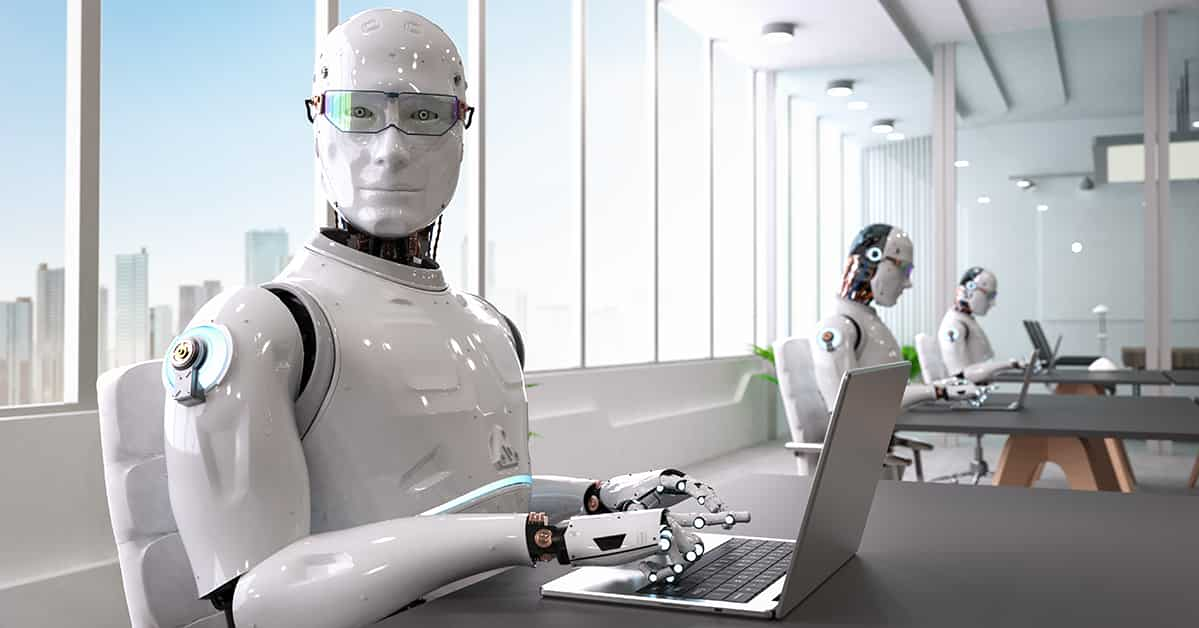
Artificial intelligence brings unmatched speed and consistency to editorial workflows. AI tools excel at handling mechanical, high-volume tasks that would otherwise consume enormous amounts of human time. These systems can perform grammar and style checks in real-time, manage formatting consistency, generate headlines and content variations, create initial drafts from outlines, and identify readability issues across entire content libraries simultaneously. AI can process vast amounts of data to spot patterns, flag potential inconsistencies, and apply standardized rules with perfect consistency.
The efficiency gains are substantial. Research shows that professionals with access to generative AI tools like ChatGPT complete writing tasks 37% faster, with the greatest benefits for less-experienced workers who use AI to handle first drafts, freeing their time for higher-value editing and idea development. For publishers and content organizations, this translates into the ability to produce more content without proportionally increasing staff resources.
What Human Editors Bring
Human editors possess irreplaceable capabilities that machines fundamentally cannot replicate. The first is judgment grounded in understanding—editors know their audiences, understand cultural context, and can anticipate how different reader segments will interpret language and tone. When editing content about mental health for a corporate audience versus an Indigenous author’s reflection on wellness for an education journal, skilled editors adjust not just words but vulnerability levels, emotional resonance, and cultural sensitivity.
Human editors preserve the writer’s voice while elevating it—a principle so central to professional editing that it guides every decision. They understand that good editing isn’t about imposing a template but about enhancing what makes a writer’s voice distinct and authentic. This requires intuition, contextual awareness, and an understanding of how language carries different meanings across cultures, generations, and communities.
Additionally, human editors build trust through empathy and provide genuinely collaborative relationships that writers and clients value deeply. They offer more than corrections; they coach authors through difficult rewrites, navigate sensitive topics with nuance, and help writers discover what they actually want to say when words fail them. They serve as part therapist, part strategist, and part advocate for both authors and readers.
The Collaborative Workflow Model
The most effective editorial structures today follow a dynamic, iterative collaboration pattern rather than sequential handoffs. In this model, AI and humans work in concert across the content lifecycle:
Ideation and Initial Drafting: AI generates multiple content variations, suggests headlines, recommends topics based on performance data, and creates first drafts. This eliminates the blank-page problem and dramatically accelerates the creative process.
Human Refinement: Editors review AI-generated content for accuracy, tone alignment, cultural sensitivity, and brand voice. They fact-check claims (which AI cannot reliably do), verify citations, and ensure information is current and relevant. They make subjective decisions about sensitive topics, cultural appropriateness, and audience reception that AI cannot assess.
Iterative Improvement: The workflow loops back with human feedback guiding AI adjustments, then further human refinement. Modern AI systems can adapt to human feedback in real-time, allowing content to be refined dynamically rather than linearly.
Quality Assurance: Human editors perform final review, ensuring the content meets publication standards, maintains voice consistency, and delivers the intended impact on readers.
This cycle isn’t fixed—it flexes based on task complexity, content type, and team preferences. For routine content like data-driven financial reports, the cycle might be brief. For nuanced narratives or sensitive topics, human judgment dominates.
Real-World Implementation Success
Leading media organizations have moved beyond pilot projects to integrate AI into core editorial operations, with results demonstrating the viability of collaboration models:
The New York Times built custom AI tools like Echo and Haystacker to assist journalists rather than replace them. Echo summarizes lengthy reports and background documents, while Haystacker identifies trends and story leads by analyzing massive data sets. These tools free journalists from tedious research to focus on reporting, analysis, and storytelling—activities requiring human judgment.
Reuters integrated AI throughout its editorial workflow from idea generation to publication, with AI particularly effective for financial reporting, where it surfaces data anomalies and drafts summaries from quarterly results. Human journalists then contextualize these findings, provide interpretation, and determine newsworthiness.
Forbes created Bertie, a behind-the-scenes co-pilot integrated into their content management system, which recommends trending topics, suggests headlines, and provides first drafts. Their contributor network benefits from AI-generated suggestions that accelerate the writing process while humans make final creative and strategic decisions.
Newsquest, a UK regional newspaper group, developed the role of AI-assisted reporter, where journalists input structured information from press releases or police statements, AI generates a draft story, and the human reporter reviews, revises, and polishes for publication. This model allows single reporters to cover significantly more stories without sacrificing quality.
A mid-sized academic publisher (Meridian Publishing Group) reduced production time by 34% and expanded its journal program by 40% without adding staff by deploying AI for formatting and citation verification, then reallocating editor time from technical tasks to content quality and author relationships. They explicitly noted that the most significant benefit wasn’t time savings but enabling editors to focus on the work they entered publishing to do.
Why AI Cannot Replace Human Editors
Several fundamental limitations prevent AI from substituting for human editors, despite advancing capabilities.
Lack of Authentic Understanding
AI systems lack the authentic comprehension necessary for nuanced editorial decisions. They operate through pattern recognition from training data, not through understanding. While AI can recognize that a piece is written in a particular style, it doesn’t understand why that style works for a specific audience or how to adapt it for cultural context. This is particularly critical when handling sensitive topics, where AI’s inability to grasp emotional weight and cultural implications can produce tone-deaf or inappropriate content.
Inability to Fact-Check Reliably
AI cannot independently verify factual accuracy—a core responsibility of professional editors. Large language models are prone to generating plausible-sounding but incorrect information (hallucination), and they can only work with the accuracy of training data, which may be outdated or biased. Human fact-checkers remain essential, particularly for specialized domains like academic publishing, legal content, and financial reporting where accuracy has real consequences.
No Real Emotional Intelligence
Content creation is fundamentally human communication. Readers seek authenticity, relatability, emotional resonance, and cultural acknowledgment that AI cannot genuinely provide. While AI can mimic emotional language, it doesn’t understand what it means to feel, experience vulnerability, or navigate sensitive human topics. Editors bring emotional intelligence shaped by human experience, allowing them to guide writers toward authentic expression and help readers feel seen and understood.
Inability to Preserve Individual Voice
The foundational principle of professional editing—preserving and enhancing the writer’s unique voice—is something AI fundamentally cannot do. Authentic voice emerges from individual perspective, experience, and style; AI can only approximate voice based on patterns it has learned. Generic homogenization is a documented risk when relying heavily on AI-generated content; everything begins to sound similar because AI learns from existing patterns rather than creating genuinely novel expression.
Context and Subtext Beyond Data
Skilled editors understand subtext, read between the lines, and grasp cultural nuances that don’t appear explicitly in text. They assess whether a protagonist’s emotions come through clearly in fiction, whether dialogue feels authentic, whether pacing maintains reader interest, and whether overall tone serves the work’s themes. These judgments require interpretative thinking that goes beyond pattern recognition.
The Evolution of Editorial Roles
Rather than eliminating editors, AI is transforming what editors do. The shift is away from error-checking and surface-level corrections toward higher-judgment work: refining strategy, ensuring accuracy, preserving voice, managing audience nuance, and making editorial decisions that require ethical consideration.
This represents a significant opportunity for editors who adapt. Those who learn to work alongside AI tools—understanding their capabilities, limitations, and appropriate applications—can accomplish more ambitious editorial work while reducing time spent on repetitive tasks. The skills that become more valuable are precisely those AI cannot replicate: contextual judgment, cultural awareness, fact-checking expertise, emotional intelligence, and strategic thinking about content and audience.
Principles for Effective AI-Human Editorial Collaboration
Successful integration of AI into editorial workflows requires deliberate design:
Transparency and Explainability: Editors and writers need to understand what AI is doing and why, with explanations tailored to user roles and decision stakes. This builds trust and enables informed judgment about when to accept or override AI suggestions.
Appropriate Autonomy: AI should be configured with autonomy levels that match task criticality. High-stakes editorial decisions (those affecting accuracy, tone, or brand voice) should require human approval; routine formatting can run more autonomously.
Meaningful Human Control: Systems must enable editors to easily guide, override, and refine AI actions, especially in sensitive content areas. Human judgment remains primary; AI is the assistant.
Continuous Feedback Loops: Editor feedback should shape AI improvement over time. This creates genuine collaboration where both parties get better through iteration. Treating AI as a team member that can be coached and improved encourages ownership and refinement.
Role Clarity: Teams must explicitly define what work is human-led versus AI-supported, preventing confusion about responsibility and accountability. Clear workflows ensure nothing goes live without human review where it matters.
The Future of Editing
The consensus among researchers and practitioners is clear: editing is evolving, not disappearing. AI will handle most proofreading and surface-level edits, while humans focus on deep meaning, nuance, and accuracy. The future belongs to editors who embrace AI as a collaborator rather than a competitor.
This represents an upgrade from the editorial profession’s previous trajectory. When editors spend hours correcting grammar and fixing formatting, they’re not doing the work they trained for or find most meaningful. Offloading these mechanical tasks to AI creates space for editors to engage in the creative, strategic, and deeply human aspects of their craft: helping ideas find their truest expression, ensuring content serves its readers, and guiding writers toward their best work.
Editors who successfully navigate this transition will be more valuable than ever—combining human judgment, cultural awareness, and ethical reasoning with AI’s speed and consistency to produce content that is both high-quality and responsibly created.