
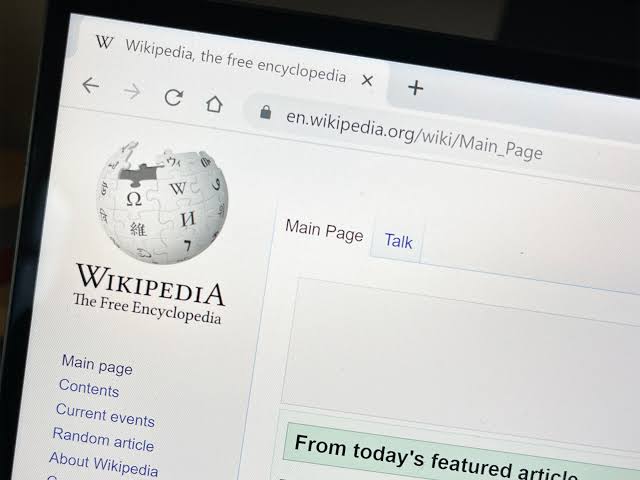
Creating a Wikipedia page can help readers discover reliable information about a person, company, organization, historical event, or other notable subject. However, Wikipedia is not a directory, an advertising platform, or a place to publish a biography simply because someone wants one.
This complete guide explains how to create a Wikipedia page, edit an existing article, research sources, write in an encyclopedic style, and submit a draft for review. It also covers common mistakes that can lead to rejection or deletion.
1. Understand How Wikipedia Works
Wikipedia is a collaborative encyclopedia maintained by volunteer editors. Most people can improve existing articles, but creating a new article that meets all editorial requirements can be challenging.
Wikipedia’s core content policies emphasize three principles:
Neutral point of view
Present information fairly and without promotional language, personal opinions, or unsupported praise.
Verifiability
Readers must be able to check important claims against reliable, published sources.
No original research
Summarize established information from published sources instead of introducing your own unpublished findings or conclusions.
These principles work together. A page can contain accurate facts but still be unsuitable if it reads like an advertisement, relies on weak sources, or presents original analysis as established knowledge.
2. Check Whether the Subject Qualifies for Wikipedia
Before creating a page, determine whether the topic meets Wikipedia’s notability guidelines. For many subjects, the key question is whether they have received significant coverage in reliable sources that are independent of the subject.
What does notability mean?
Notability means that a subject has received enough meaningful attention in suitable published sources to justify its own encyclopedia article. It is not the same as being popular, successful, famous within a small community, or active on social media.
Examples of potentially useful evidence include:
- Substantial reporting by established newspapers or magazines.
- In-depth coverage in reputable books published by independent publishers.
- Scholarly research discussing the subject in meaningful detail.
- Independent reporting that explains the subject’s history, work, influence, or significance.
Sources that usually do not establish notability on their own include:
- The subject’s official website or company blog.
- Press releases distributed by the subject or its public relations agency.
- Paid promotional articles or sponsored content.
- Social media profiles, user reviews, and directory listings.
- Brief mentions that do not discuss the subject in depth.
How to research notability
- Search the subject’s exact name in several search engines.
- Search newspaper archives, library catalogs, academic databases, and reputable publications.
- Look for articles written by independent journalists or researchers.
- Read the sources rather than relying on search snippets or headlines.
- Record the publication name, author, date, URL, and the specific facts each source supports.
Read Wikipedia’s general notability guideline and check whether a subject-specific guideline applies. Requirements may differ for biographies, companies, musicians, academics, books, and other topics.
3. Search for an Existing Article or Draft
Before creating a new page, make sure the topic is not already covered. An existing article might use a different spelling, a full legal name, a shortened name, or a broader topic heading.
- Search Wikipedia for the subject’s name and common variations.
- Check whether the topic is discussed in a related article.
- Look for a draft that another editor has already started.
- Review relevant talk pages to see whether editors have previously discussed the topic.
- If an article was deleted, review the available deletion discussion or ask for guidance before recreating it.
If the information belongs in an existing article, improving that article may be more appropriate than creating a separate page.
4. Create a Wikipedia Account
You can read Wikipedia without an account, and some edits can be made without signing in. However, registering an account makes it easier to build an editing history, communicate with other editors, and work on drafts.
- Visit English Wikipedia, or the language edition you want to edit.
- Select the account creation option.
- Choose a username and complete the registration steps.
- Familiarize yourself with the editing interface and community guidelines.
- Start with small improvements to existing articles before attempting a complex new article.
Account age and editing history can affect access to some Wikipedia features. Requirements for page creation vary by language edition and may change. If direct creation is unavailable, use the current article creation process recommended by that Wikipedia community.
5. Learn to Edit an Existing Wikipedia Page
Editing an existing article is often the best way to learn how Wikipedia works. You can fix a typo, improve a sentence, add a missing citation, update a factual detail, or clarify an explanation.
Using VisualEditor
VisualEditor provides a familiar editing interface with formatting tools. When available, it allows you to modify text without manually writing Wikipedia’s markup.
- Open the article you want to improve.
- Click Edit or Edit source, depending on the available options.
- Choose VisualEditor if you prefer a visual interface and it is available.
- Make a specific, evidence-based improvement.
- Use the preview function to review formatting and citations.
- Write a clear edit summary explaining what you changed.
- Publish the edit if you are confident that it complies with Wikipedia’s policies.
Using source editing
Source editing lets you work directly with Wikipedia markup. It can be useful for citations, templates, tables, and more advanced changes.
<ref>Author, "Article Title," Publication Name, publication date, URL.</ref>This is a structural illustration, not a complete citation. Replace the example text with the actual source details and follow Wikipedia’s citation conventions.
For detailed instructions, consult Wikipedia’s editing help page.
6. Gather Reliable Sources Before Writing
Research should come before drafting. Wikipedia is not a place to publish information simply because you know it to be true. Content should be supported by sources that readers and other editors can verify.
| Source type | Typical usefulness | Important limitation |
|---|---|---|
| Established newspapers | Independent reporting and in-depth coverage | Check editorial reputation, authorship, and depth. |
| Academic journals | Scholarly analysis and research | Confirm that the article actually discusses the subject. |
| Books from reputable publishers | Historical context and detailed coverage | Verify the author, publisher, and relevant pages. |
| Official websites | Basic facts, official statements, and primary information | Usually not independent evidence of notability. |
| Press releases | Statements about what an organization announced | Promotional and generally not independent coverage. |
| Social media and forums | May help identify leads for further research | Generally unsuitable for establishing notability or important factual claims. |
Build a source research spreadsheet
A simple spreadsheet can help you organize your research before writing. For each source, record:
- Publication name and article title.
- Author and publication date, if available.
- URL, DOI, or bibliographic details.
- The specific facts or historical events covered.
- Whether the source is independent of the subject.
- Which part of the draft the source can support.
Do not count a source as independent merely because it appears on a different website. A press release reproduced by several websites may still represent only one underlying source.
7. Write Your Wikipedia Article
Once you have enough reliable sources, build a concise, neutral draft. The structure should depend on the subject rather than follow a rigid template.
Recommended article structure
Opening paragraph
Identify the subject and explain what it is or why it is significant, using sourced, neutral language.
Background or history
Summarize the subject’s origins and development where reliable sources cover them.
Main activities or contributions
Explain the subject’s work, role, achievements, or influence using independent sources.
Reception or impact
Include notable assessments, responses, or influence only when they have been documented by reliable sources.
References
Provide citations that allow readers to verify the article’s claims.
Not every article needs all these sections. A historical event, a scientific concept, a company, and a living person’s biography may require very different structures.
Write neutrally, not promotionally
Avoid language such as:
- “The world’s leading company.”
- “The most innovative product on the market.”
- “A legendary and visionary entrepreneur.”
- “The best service available to customers.”
Unless reliable independent sources explicitly support a relevant characterization, these phrases sound like marketing copy rather than encyclopedia writing.
Prefer factual descriptions that can be verified.
“Company X is an outstanding and revolutionary technology leader offering the best digital solutions.”
More encyclopedic wording:
“Company X is a technology company founded in [year]. Its products and business activities have been described in [relevant independent publications].”
The second example is a writing pattern, not a factual claim about a real company. Add the actual details only when reliable sources support them.
Do not copy text from other websites
Read the source, understand the relevant facts, and summarize them in your own words. Cite the source even when paraphrasing. Copying large passages from articles, company websites, biographies, or press releases can create copyright problems and is not an acceptable shortcut.
8. Add Citations to Your Wikipedia Page
References are essential because Wikipedia readers should be able to check important claims. Add citations as you draft instead of waiting until the article is finished.
A useful reference should:
- Support the specific statement placed before it.
- Identify the source clearly.
- Link to the source when a reliable online version exists.
- Use the original publication rather than an unrelated summary whenever possible.
- Be accessible enough for other editors to assess its reliability.
Avoid adding one citation at the end of a long paragraph if it does not support every important claim in that paragraph. Claims about dates, awards, leadership, financial performance, controversies, and biographies often need especially careful sourcing.
Read Wikipedia’s citation guidance for help with inline references, footnotes, and citation templates.
9. Create a Draft and Submit It for Review
If you are creating a new article, drafting it away from the live encyclopedia page gives you time to improve the structure and citations. Wikipedia offers a draft space and an Articles for Creation process for eligible submissions.
- Review the current instructions for creating a new article in your language edition.
- Open a draft or use the article creation wizard if available.
- Write the article using neutral language and reliable sources.
- Check the draft for unsupported claims, promotional wording, and copyright issues.
- Submit it for review if the process is available and appropriate.
- Read reviewer feedback and make evidence-based improvements.
- If accepted, monitor the article and continue maintaining it.
10. What If Wikipedia Rejects Your Draft?
A declined draft is not necessarily the end of the process. Read the reviewer’s comments carefully and identify the specific issue.
Notability concerns
Find substantial independent coverage. Adding more company announcements or social media links will not necessarily solve the problem.
Insufficient citations
Add reliable sources that directly support the claims and remove statements that cannot be verified.
Promotional tone
Remove sales language, exaggerated claims, calls to action, and unsupported descriptions of superiority.
Formatting problems
Improve headings, reference formatting, article structure, and links using Wikipedia’s editing documentation.
Do not repeatedly resubmit the same draft without addressing the feedback. If you are unsure how to interpret a comment, ask a question on the appropriate draft discussion page or seek help from the Wikipedia community.
11. Can You Create a Wikipedia Page for Yourself or Your Company?
You may be able to contribute relevant information, but creating an article about yourself, your employer, your client, or a business you own raises a conflict-of-interest concern.
Even if you can write neutrally, your relationship with the subject may affect how other editors view the contribution. Wikipedia recommends that people with a conflict of interest avoid directly creating or substantially editing affected articles, and instead suggest changes through the appropriate community process.
What to do if you represent a business or person
- Check whether independent sources establish that the subject qualifies for an article.
- Disclose your relationship when required by Wikipedia’s conflict-of-interest and paid-contribution rules.
- Use the appropriate draft or article talk-page process to propose changes.
- Provide reliable sources and explain which factual statements they support.
- Let independent editors decide whether the content should be included.
If you are paid to edit Wikipedia, you must comply with its paid-contribution disclosure requirements and any applicable restrictions. Disclosing a relationship does not automatically make an otherwise unsuitable article acceptable.
Review the conflict-of-interest guideline and paid-contribution disclosure policy before working on a subject with which you are professionally or financially connected.
12. Special Care When Writing About Living People
Biographies of living people require particular attention to accuracy, privacy, and sourcing. Incorrect or poorly sourced claims can cause serious harm, especially when they concern someone’s personal life, reputation, health, or alleged misconduct.
- Use high-quality sources for claims about living people.
- Do not include unsourced allegations or rumors.
- Remove or avoid personal details that are not appropriate for an encyclopedia.
- Represent controversies proportionately and fairly.
- Do not treat a person’s own website or social media as independent proof of notability.
Consult Wikipedia’s biographies of living persons policy before creating or editing a biography.
13. Common Wikipedia Page Creation Mistakes
| Mistake | Why it is a problem | Better approach |
|---|---|---|
| Writing an advertisement | Wikipedia is an encyclopedia, not a marketing channel. | Use neutral, factual language and independent sources. |
| Relying on press releases | They do not establish independent coverage. | Find in-depth reporting from independent publications. |
| Creating a page too early | The subject may not meet the notability guidelines. | Assess the available coverage before drafting. |
| Adding unsupported claims | Readers and editors cannot verify the information. | Provide a suitable citation or remove the claim. |
| Copying another website | It can violate copyright and Wikipedia’s content rules. | Summarize sources in original wording and cite them. |
| Ignoring a conflict of interest | It can undermine confidence in the article’s neutrality. | Disclose the relationship and use the appropriate review process. |
| Assuming publication is permanent | Articles remain subject to community editing and review. | Follow policies and maintain accurate, sourced content. |
14. Wikipedia Article Readiness Checklist
Use this interactive checklist before submitting a new page. It can help you identify missing preparation, but it cannot guarantee that Wikipedia editors will accept the article.
0 of 8 preparation steps completed.
15. How Long Does It Take to Create a Wikipedia Page?
There is no fixed timeline for creating or publishing a Wikipedia article. Preparing the research may take hours, days, or longer, depending on how much reliable coverage exists and how complicated the subject is.
Editing an existing article can be quick when you are correcting a small factual error or adding a citation. Creating a well-sourced draft generally takes more time because you need to evaluate sources, establish notability, structure the content, and check it against Wikipedia’s policies.
If a draft is submitted for review, the time required for a decision can vary. Do not assume that an article will be published on a specific date or that paying a third party will speed up approval.
16. Is It Possible to Pay Someone to Create a Wikipedia Page?
Paid editing exists, but hiring someone does not guarantee that an article will be accepted or remain online. Any paid contribution must follow Wikipedia’s disclosure rules and applicable community policies.
Be cautious of services that promise guaranteed publication, claim special influence over volunteer editors, or offer to protect an article permanently in exchange for payment. No legitimate service can guarantee that a Wikipedia article will be approved or retained.
If you hire a consultant, ask for transparent disclosure, verifiable sources, a neutral draft, and a clear explanation of the review process. You should retain control over factual accuracy and understand that independent editors can challenge or remove content.
Frequently Asked Questions
Can anyone create a Wikipedia page?
Many people can contribute to Wikipedia, but access to some page-creation features depends on account and language-edition requirements. New articles must also meet the applicable content policies and notability guidelines.
Is creating a Wikipedia page free?
Editing Wikipedia and submitting a draft through its community processes are generally free. You do not need to pay Wikipedia to publish an article. Paid assistance from a consultant is optional and does not guarantee acceptance.
How many sources do I need for a Wikipedia article?
There is no universal source count that guarantees acceptance. The important factors include the reliability, independence, and depth of coverage. Several strong sources may be more useful than many weak or promotional ones.
Can I create a Wikipedia page for my business?
Only if the business meets Wikipedia’s relevant notability criteria and the article complies with its content policies. A business owner or employee should take conflict-of-interest precautions, disclose relevant paid editing, and consider submitting a draft for independent review.
Why was my Wikipedia article deleted?
Common reasons include insufficient evidence of notability, inadequate sourcing, promotional content, copyright concerns, or other policy violations. Review the deletion rationale and relevant discussion before deciding whether to improve a draft or request a review.
Can I edit a Wikipedia page after it is published?
Yes. Published articles are collaborative documents that can be improved by editors. Changes must still comply with Wikipedia’s policies, and other editors may revise or challenge them.
Does a Wikipedia page help with SEO?
A Wikipedia article may help readers discover information and can appear in search results, but creating an article is not a guaranteed SEO strategy. Wikipedia is not intended for promotion or link building, and links from its articles should not be treated as a promised ranking benefit.
Can I create a Wikipedia page in Spanish instead of English?
Yes, you can contribute to the Spanish-language Wikipedia if the topic meets that edition’s applicable rules. Do not assume that acceptance in one language edition guarantees acceptance in another, because each community may assess its own article and policies.
Final Thoughts
Creating a Wikipedia page successfully starts with research, not writing. First establish whether the subject qualifies, gather independent sources, and decide whether a new article is appropriate. Then write a neutral, well-structured draft with citations that support the claims.
If you are new to Wikipedia, begin by improving existing articles and learning the community’s editing practices. If the subject is connected to you or your business, disclose the relationship and use the proper review process. Most importantly, treat Wikipedia as a collaborative encyclopedia rather than a promotional platform.